
School Bus Seat Springs: The Hidden Component Keeping Students Safe and Comfortable

When people think about school bus safety, they usually picture seat belts, reinforced frames, or driver training. But one of the most overlooked components plays a critical role every single day: seat springs.
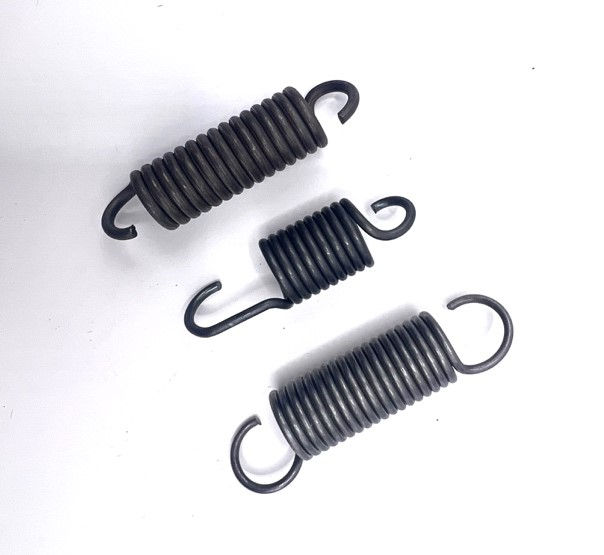
The type shown above—heavy-duty extension springs with hook ends—are widely used in school bus seating systems. While small in size, they carry a big responsibility.
What Are School Bus Seat Springs?
School bus seat springs are typically extension springs designed to support and stabilize seat cushions. They connect the internal seat frame to the cushion structure, allowing controlled flexibility while maintaining durability under constant use.
Key Characteristics:
High-cycle fatigue resistance
Heavy-gauge wire construction
Hook or loop ends for secure attachment
Protective coatings for corrosion resistance
These springs are engineered to handle thousands of load cycles from daily student use—without losing performance.
Why They Matter More Than You Think

1. Passenger Comfort
Seat springs absorb impact and distribute weight evenly, preventing “bottoming out” and improving ride quality.
2. Safety Performance
Properly functioning springs help maintain seat integrity, which is critical in compartmentalization—the primary safety design in school buses.
3. Durability Under Abuse
Let’s be honest—school bus seats take a beating:
Constant loading/unloading
Kids jumping or shifting weight
Temperature swings
These springs are built to withstand all of it.
Common Design Features
The springs shown in your image highlight a few important design variations:
Open Hook Ends
Easier installation and replacement
Common in maintenance-friendly designs
Variable Coil Counts & Lengths
Longer springs = more travel and flexibility
Shorter springs = higher tension and stiffness
This allows OEMs to fine-tune seat feel and performance.
Materials & Finishes
Most school bus seat springs are made from:
Music wire (ASTM A228) – High strength, excellent fatigue life
Oil-tempered wire – Better for larger diameters and impact loads
Typical finishes include:
Black oxide (as shown)
Zinc plating
Powder coating (for enhanced corrosion resistance)
Choosing the right material and finish directly impacts lifespan—especially in humid or high-use environments.
How Southern Precision Spring Supports This Market
Whether you’re manufacturing in Indiana, Georgia, North Carolina, or anywhere across the U.S., Southern Precision Spring is here to serve you with precision-engineered springs and fast, responsive support.
At Southern Precision Spring, we manufacture high-performance extension springs for demanding applications like school bus seating.
What Sets Us Apart:
Tight tolerance manufacturing
Custom spring design support
Material and coating expertise
High-volume production capability
We understand that components like these aren’t just parts—they’re part of a safety system.
Final Thoughts
School bus seat springs may not be visible to passengers, but they’re essential to both comfort and safety. The right design, material, and manufacturing quality make all the difference in long-term performance.
If you’re evaluating seat spring performance—or looking to improve durability—this is one component you don’t want to overlook.
Want Help Spec’ing a Spring?
If you’re working on a seating system or need a replacement spring matched, we can help you:
Reverse engineer an existing spring
Optimize for performance and lifespan
Reduce long-term maintenance costs
Reach out to Southern Precision Spring today and let us help you design or source the right seat spring or transportation-related spring for your application.


